It would make engineering easier if all water came at the same speed.
It’s not.
Wastewater entering a residential system may vary through the day. Industrial and commercial structures may have operating highs. The conditions for stormwater can drastically change in response to weather conditions. The demand for clean water can also increase and decreases based on the usage.
When designing an efficient pumping station, it’s not only a matter of selecting the equipment that will provide a certain flow. Engineers should be aware of the environmental conditions that the system will be subject to.
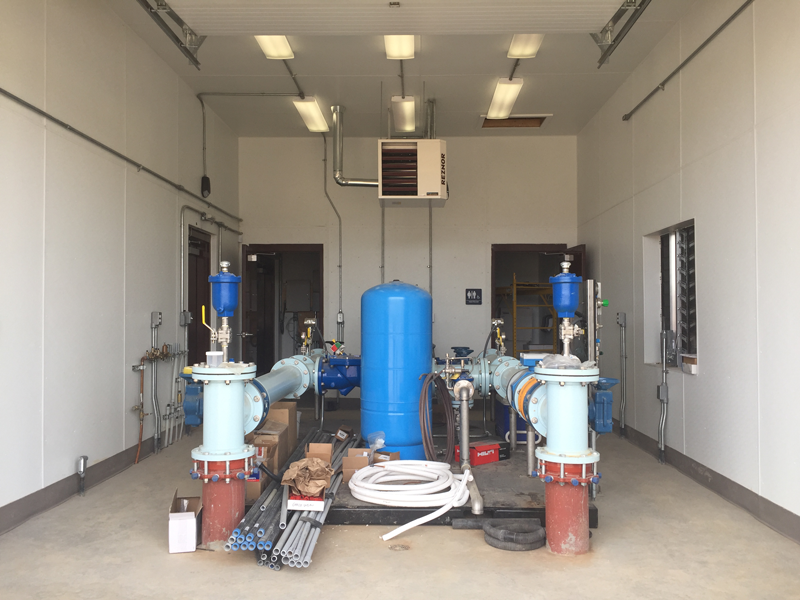
Image credit: romtecutilities.com
Be aware of the operating conditions and not just the Maximum Capacity
It is obvious that maximum flow is an essential element but it’s only one element of the functioning of the station. If a system for wastewater is constructed to handle a large volume of flow. Typically the flows coming in can be much lower. During normal operating hours however, the station will be functional.
This raises questions regarding wet-well sizes, pump operation controls, head conditions, and how the equipment performs to demand fluctuations.
A properly engineered package pumping system brings these considerations together around the actual requirements of the site instead of treating maximum pump capacity as the entire design objective.
The Everyday Routine of Wastewater
Throughout the life of a wastewater lift station, influent conditions can change.
The station’s management strategy will decide how the station manages the collection of wastewater and its pumps. The dimensions of the structural components, the pumping equipment and piping, as well as electrical parts and controls all play a an important role in this process.
The design might also include factors specific to the area. Romtec Utilities can incorporate auxiliary systems like grinder vaults, odor control equipment and so on in the event that they are required by the particular application. The result is a system designed around the project instead of a standard configuration which is used at every wastewater site.
Stormwater can alter much more quickly
Stormwater is a totally different type of operation. A stormwater station can be quite quiet during dry conditions, and then see a massive inflow of water in a major weather storm. It could be part of a larger flood control treatment, detention or drainage plan, making the stormwater plan surrounding it an essential element of the system design.
Romtec Utilities takes into consideration elements like the flow rate needed as well as head conditions, the size of the system and the requirements of the site and environmental concerns in the design of these systems.
The layout of a station for commercial projects could differ significantly from the design of a station designed to manage stormwater in a municipality.
Both head conditions and flow are vital.
The task of transporting 1,000 gallons is not the only challenge for engineers. Engineers also have to understand where that water is going and the kind of resistance the pumping system must overcome.
Pumps can be operated at different head levels depending on the system’s configuration, including the piping configuration, discharge conditions, etc.
This relationship between head and flow is one reason simply choosing the right pump based on its capacity rating isn’t enough. Pump technology and station configuration should be designed to meet the hydraulic conditions of the complete application.
Design for the Conditions the Station Will Actually Experience
Romtec Utilities creates customized pumping system for wastewater, stormwater and clean water systems. They also develop systems for industrial, booster and other applications. Its procedure may involve budgeting and design in the beginning and plans for complete systems, supply, documentation, and startup testing, and commissioning.
The basic engineering principle behind it is quite simple: genuine pumping systems don’t go through their lives under a comfortable set of rules.
They face changing demands, flows and specific hydro requirements for projects. A successful station must be designed to accommodate that reality.