A nightclub may have bartenders trained and certified as well as written alcohol policies and a skilled manager on every shift. These security measures could be like a peace of mind when they’re included in the employee handbook.
Imagine the night of a Saturday that’s crowded, with several bartenders serving the same number of customers, while an employee on the floor manages a disturbance and customers ordering drinks from different locations. Who is responsible for recognizing when a person should not consume alcohol?
This can be a clue to more about a dram shop lawsuit than simply finding out how many drinks have been sold.
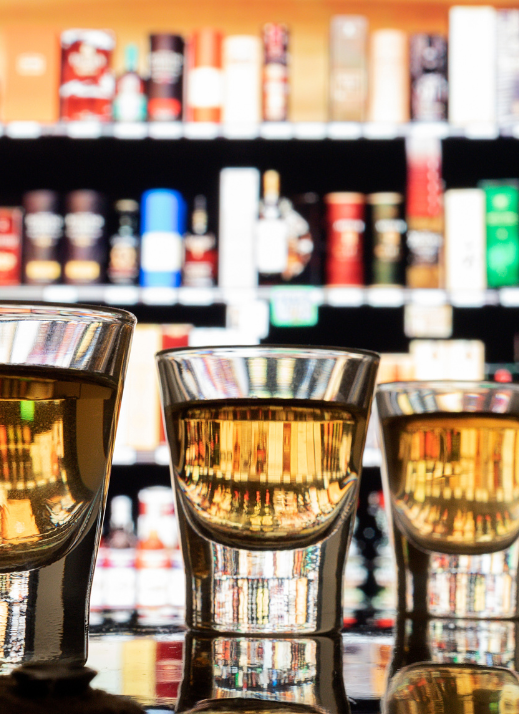
The first step in a probe into overservice is to see what the staff might see
A Dram Shop expert witness examines whether alcohol-service decisions were consistent with recognized industry practices and the circumstances employees actually encountered.
The fact that a client is drunk is not proof, by itself, that the bartender saw warning signs while serving. The investigation must consider the behavior of the customer, the timing of service, employee observations, and available evidence.
Surveillance footage could uncover a lack of ability to walk, odd movements, or interaction with employees. Statements from witnesses may provide more details, however recollections of events may differ. What’s important to differentiate between is what investigators have learned after an incident, and what staff should have known at the time of the incident.
One Tab isn’t a necessity. One Drinker
The point-of-sale record is useful however understanding them require experience with hospitality. A customer might purchase several rounds of drinks to share with their friends. A bottle-service transaction could include multiple customers. Separate bartenders may handle orders without knowing what an employee has previously done.
Alcohol expert witnesses can examine amounts of alcohol consumed and the time it took to complete transactions as well as surveillance recordings and information on staffing in order to develop a better service timeline.
This investigation could reveal times when employees were able intervene or realize that they were intoxicated. It may also identify areas where the evidence is insufficient to establish who consumed certain drinks.
The Floor is where Training Matters.
The certifications of employees are vital but they’re not a guarantee to define how a facility operated during a particular shift.
A thorough investigation can determine if training was current, whether employees were aware of intervention procedures, and whether managers reinforced the establishment’s policies.
Preston Rideout is a hospitality expert with more than 30 years of experience. This includes bartending, management and drink-program consulting.
Professionally, his qualifications show that he holds 112 seller-server certifications covering 48 states as well as the District of Columbia.
This combination allows him both to look at the training that employees received as well as operational decisions they had to take. Bartenders, as an example may be able detect a behaviour that is concerning but may not have clear instructions regarding how to report it or contact management. Therefore, it is important to consider the supervisor’s ability to oversee.
Insurance investigations may pose similar Questions
A expert witness in Liquor Liability usually is able to address the same operational concerns for coverage counsel, insurers defense lawyers, and coverage counsel. The terminology could differ however the core inquiry still involves alcohol service, staff behavior, training, and supervision by management.
The comprehensive review may include incidents reports, as well as written policies, videos employee schedules, records of certification. It is not the job of the expert to automatically endorse the company that employs them. The expert must clarify what the data suggests, and identify relevant practices in the industry and recognize any limitations.
The Experience of the past explains the reasoning behind the Records
Rideout has testified in alcohol-service and hospitality issues in eleven states, working as both defense and plaintiff counsel.
His study covers bars, nightclubs and hotels, as well resorts, casinos and other settings where alcohol is offered on a regular basis. Each environment is unique in terms of staffing requirements and issues with supervision.
A bartender working in a tiny dining area of an eatery may have different opportunities to observe the customers than an employee of a nightclub who works at a busy service station. Understanding these differences can help you to put the evidence within the correct context of operation.
It is not possible to fill in gaps by making assumptions
Dram shop laws are different according to the jurisdiction in which they are located. Expert opinions from experts in operations should not be mistaken for an official decision. The most accurate analysis will reveal the activities of the employees, which recognized service practices were required, and what conclusions are reasonable on the basis of the evidence.
Sometimes, records reveal a deviation from the established procedure. Sometimes, the records prove that employees followed the appropriate practices or leave important questions unanswered.
This distinction is important for lawyers who are evaluating the validity of claims that involve alcohol. A qualified expert’s report is more useful than simply describe the event. The court can better understand how decisions were made within the institution, even if no one could predict what the final outcome would be.